Your Dependable Estate Counsel for Comprehensive Legal Assistance
Handling the complexities of estate planning requires expertise that many individuals may not possess. A trusted estate solicitor plays an essential role in ensuring that personal wishes are legally documented and disputes among heirs are lessened. Their grasp of evolving laws and fiscal considerations can safeguard assets effectively. However, understanding the full breadth of their services and the common hazards can greatly shape the planning process. What challenges might arise without proper support?
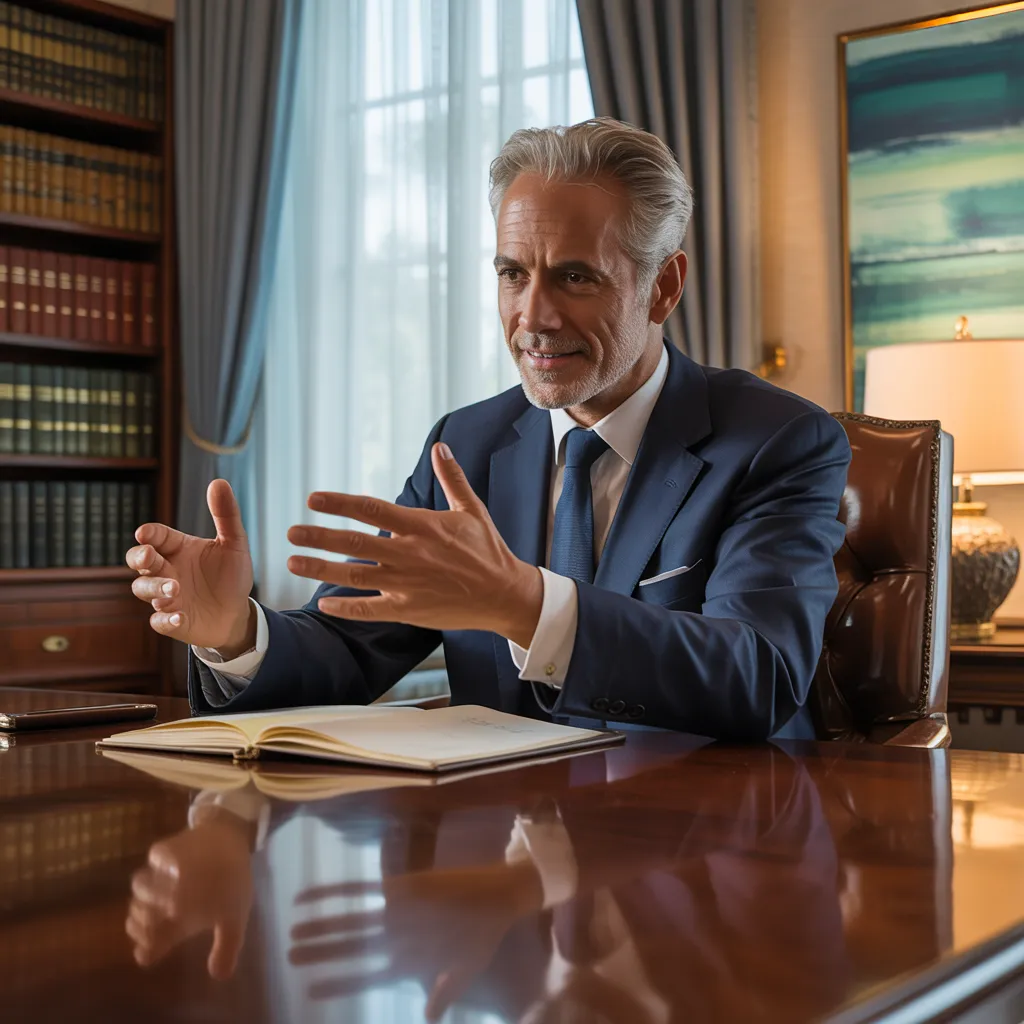
Estate planning introduces multiple challenges that individuals must address to guarantee their desires are honored and family members are protected. One important challenge is the lack of comprehension concerning the intricacies of estate laws, which can vary significantly by jurisdiction. This often leads to inadequate planning or failure to comply with legal requirements. Furthermore, individuals often grapple with psychological barriers, such as discussing mortality or family dynamics, which can hinder transparent dialogue about estate matters.
A widespread issue is failing to routinely refresh estate plans, generating obsolete provisions that may not match current circumstances or wishes. Furthermore, individuals may downsize the potential tax ramifications of their estates, producing unexpected financial burdens on heirs. Finally, many fail to recognize the importance of naming appropriate guardians for dependents, which can create uncertainty and conflict among family members. Addressing these challenges is paramount for effective estate planning and ensuring peace of mind.
Essential Solutions Offered by Estate Attorneys for Effective Planning
Estate lawyers provide a variety of crucial offerings that facilitate successful estate planning. Key services include will drafting, trust establishment support, and advice on estate taxes. These services help people navigate the intricacies of estate management and guarantee their wishes are honored.
Will Testament Preparation Solutions
Handling the complexities of will drafting is an important element in successful estate planning. Probate lawyers offer valuable will drafting services that guarantee clients' wishes are articulated clearly and legally binding. These specialists guide individuals through the complex statutory obligations, assisting in prevent uncertainties that might lead to conflicts between heirs. By assessing particular holdings, family dynamics, and individual goals, estate attorneys craft tailored testaments that reflect the client's wishes. They furthermore provide counsel on tax implications and the significance of choosing suitable estate representatives. With expertise in state legal requirements, estate attorneys are essential to in creating thorough wills, ultimately ensuring peace of mind to clients as they secure their legacies and they protect their family members.
Trust Establishment Aid
Handling the complexities of trust creation is an essential facet of thorough estate planning. Estate lawyers offer vital assistance in creating different kinds of trusts, tailored to satisfy individual client requirements. They shepherd clients through the decision-making process, ensuring the suitable type of trust—such as revocable, irrevocable, or special needs—is selected based on specific goals and circumstances. Furthermore, attorneys help draft the trust documents, outlining the terms clearly to avert future disputes. They also support in funding the trust, ensuring assets are conveyed correctly to avoid probate complications. By providing specialized guidance into legal requirements and implications, estate lawyers fulfill a crucial role in establishing trusts that protect assets and realize the grantor's wishes effectively.
Estate Tax Guidance
How can individuals traverse the complexities of estate taxes efficiently? Property law specialists serve as essential partners in this process, offering customized advice to reduce tax liabilities and guarantee compliance with regulations. They assess the client's financial situation, determining potential tax implications of properties and trust arrangements. By staying updated on current tax laws, property law specialists provide tactical guidance, assisting individuals choose wisely about asset distribution and charitable contributions. They also help in the completion and submission of necessary tax documents, reducing the likelihood of errors that could result in fines. Ultimately, hiring an property law specialist for tax advice can result in significant savings and tranquility, allowing individuals to concentrate on their heritage rather than tax matters.
Finding the Perfect Estate Legal Professional
Determining the suitable property lawyer calls for careful consideration of several critical elements. Prospective clients must evaluate the lawyer's experience and qualifications, examine their communication method, and think about the cost structures. These elements serve as essential components in creating a positive and productive professional relationship.
Determine Competencies And Experience
When seeking an estate attorney, evaluating their qualifications and record is vital to provide competent legal guidance. Prospective clients should look for attorneys with expert education in estate law, as well as relevant certifications. Participation in professional organizations like the American Bar Association can indicate a dedication to ethical standards and continuing education. Additionally, years of practice in estate planning and probate matters can offer insight into an attorney's expertise. It is advantageous to evaluate their performance in similar cases, as practical experience often translates to better outcomes. By thoroughly evaluating these factors, individuals can make informed decisions, making sure they choose an attorney capable of addressing their unique estate planning needs.
Analyze Communication Technique
Effective dialogue is crucial in the relationship between attorney and client, especially in estate planning. An attorney's ability to explain intricate legal ideas clearly and understandably is vital for clients to reach well-informed choices. Potential clients should assess whether the attorney actively listens to their worries and answers with consideration. A responsive attorney builds confidence and encourages open dialogue, which is key for addressing sensitive topics such as assets and family dynamics. Furthermore, examining the attorney's communication style can uncover their flexibility; whether they prefer structured conversations or a relaxed style can significantly affect|substantially influence the client's sense of ease. Ultimately, selecting an attorney|picking an attorney whose communication style|approach to communication aligns with the client's preferences|client's expectations can enhance the overall planning experience|comprehensive planning journey|lead to better results|superior conclusions.|Effective interaction is essential in the attorney-client relationship, notably in estate planning. An attorney's skill to convey complex legal concepts clearly and understandably is critical for clients to make informed decisions. Future clients should assess whether the attorney hears attentively to their issues and replies with reflection. A responsive attorney cultivates confidence and promotes honest communication, which is key for tackling sensitive topics such as assets and family dynamics. Additionally, evaluating the attorney's communication style can demonstrate their responsiveness; whether they prefer conventional meetings or a informal manner can greatly impact the client's comfort level. At the end of the day, selecting an attorney whose way of communicating corresponds to the client's desires can strengthen the overall planning experience and lead to more effective outcomes.
Review Fee Structures
Grasping fee structures is key for clients looking for an estate attorney, as it directly influences their overall experience and financial planning. Attorneys may impose flat fees, hourly rates, or retainers, each with specific implications. A flat fee ensures predictability, allowing clients to budget well. In contrast, hourly rates might cause variable costs depending on case complexity. Retainers require upfront payments but can guarantee preferential service. Clients should also check additional costs such as filing fees or administrative expenses. Transparency in fee structures builds trust and enables clients to make informed choices. Ultimately, adapting the fee structure to individual financial circumstances and legal needs is vital for a satisfactory attorney-client relationship.
Common Estate Planning Errors to Avoid
Planning one's estate is a critical element in ensuring that one's wishes are upheld after demise, yet many individuals commit common blunders that can undermine their objectives. One typical error is failing to modify wills and trusts after major life changes, such as matrimony, dissolution of marriage, or the birth of a baby. In addition, failing to name payees on financial accounts can result in unanticipated allocations.
A frequent error involves disregarding tax implications, which can significantly affect the estate's worth. Many also underestimate the importance of including digital resources in their strategies, creating confusion regarding online accounts.
In addition, depending entirely upon DIY documents without expert advice can result in legal loopholes. Finally, many individuals neglect to communicate their wishes with family members, leading to disputes and misunderstandings. Avoiding these pitfalls is vital for sound estate planning, ensuring that one's legacy is maintained as intended.
Why Frequent Meetings With Your Estate Attorney Merit Consideration
How can periodic reviews with an estate attorney ensure that a person's wishes remain up to date with present conditions? Regular meetings enable individuals to review their estate plans taking into account life changes, such as marriage, divorce, the birth of children, or shifts in financial status. These changes can significantly influence how assets should be distributed and who should act as executors or guardians.
Additionally, laws and regulations concerning estate planning regularly shift. An legal professional can communicate notices on any law modifications that may affect an individual's estate plan. Routine reviews also afford the opportunity to examine tax implications and strategies for decreasing liabilities, making certain that the estate remains refined for beneficiaries.
Ultimately, consistent communication with an estate attorney promotes a proactive approach, allowing people to modify their plans effectively and safeguard their objectives, thereby guaranteeing that their wishes are respected when the time comes.
Preparations for Your Initial Appointment With an Probate Attorney
When consulting with an estate attorney for the first time, clients can look forward to a structured discussion that establishes the foundation for their estate planning needs. The attorney will commonly start by gathering essential information about the client's fiscal status, familial relationships, and particular objectives. This initial assessment helps determine priorities and any potential difficulties in the estate plan.
Clients may be asked about current wills, trusts, or other additional resource legal documents, as well as their preferences for asset distribution and guardianship arrangements. The attorney will also outline various estate planning tools, such as wills, trusts, and powers of attorney, providing insight into how each can serve the client's goals.
To summarize, clients should expect a discussion regarding future directions, such as timelines and costs, guaranteeing they leave the gathering with a clear understanding of the estate planning system and what is mandated moving forward.
Popular Asked Questions
How Much Does Retaining an Estate Attorney Typically Cost?
Hiring an property lawyer typically costs between $150 to $500 per hour, based on experience and location. Flat fees for particular tasks may range from $1,000 to $3,000, dependent upon complexity and client needs.
Is It Possible to Create My Own Financial Plan Without an Legal Professional?
Yes, a person can prepare their own estate plan without an lawyer. However, this course of action may result in possible issues, confusion, or legal challenges, highlighting the significance of thorough knowledge and detailed record-keeping in the process.
What Files Do I Need to Bring to My First Meeting?
For the initial gathering, one should bring identification, information of financial holdings and debts, current wills or trusts, heir information, and any relevant healthcare instructions. This readiness facilitates a comprehensive conversation about wealth management needs.
When Should I Refresh My Estate Plan and How Often is Recommended?
Estate plans should be updated every three to five years or after major life changes, such as marriage, divorce, birth of a child, or significant shifts in assets, guaranteeing they reflect current wishes and circumstances.
What Takes Place if I Pass Away Without a Testament?
If an person dies without a testament, state laws determine asset distribution, often resulting in probate. This procedure can lead to unintended beneficiaries, likely conflicts among relatives, and postponements in settling the deceased's estate.